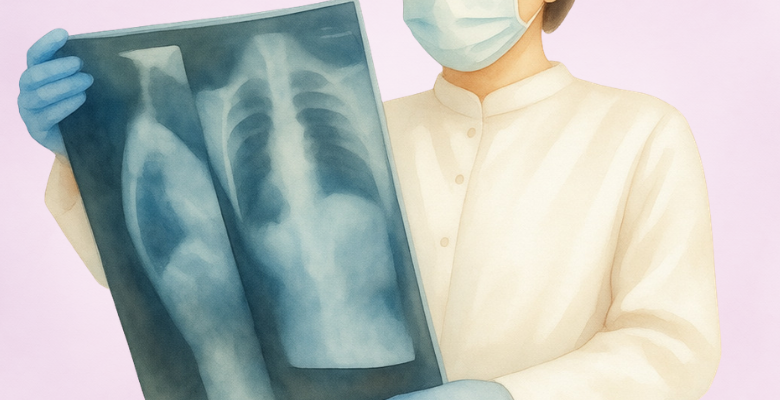
Osteoporosis doesn't hurt until it's too late: it's called the "silent epidemic" because bone loses density progressively and without symptoms, and it's often only discovered once the first fracture has already happened. Understanding this is why prevention can't wait until you feel symptoms: there simply aren't any.
The prevention window opens earlier than you think
Osteoporosis prevention doesn't start at menopause: it starts decades earlier, in childhood and adolescence, when peak bone mass is built, the "reserve" that will serve you for the rest of your life. But menopause is still a key turning point, because the drop in oestrogen significantly speeds up bone loss during the first years after the last period.
What the evidence says
- Osteoporotic fractures most often affect the spine, wrists, hips, pelvis and upper arm (humerus).
- Diagnosis is confirmed with a bone density scan (DXA), using the T-score: between -1 and -2.5 is considered osteopenia, and below -2.5, osteoporosis.
- International guidelines updated in 2024-2025 (United Kingdom, Australia) recommend early fracture risk assessment using tools such as FRAX, rather than waiting for symptoms to appear.
What affects your risk
- Early or surgical menopause: speeds up bone loss sooner than expected.
- Family history of hip fracture.
- Low body weight, smoking and high alcohol intake.
- Long-term use of corticosteroids or other medications that affect bone.
The first step
If you're 50 or older, or you've reached menopause, talking to your doctor about your individual fracture risk, using tools such as FRAX, is a conversation worth having before the first fracture, not after.
A note
This content is for informational purposes only and does not replace a medical consultation.
- Calaf-Alsina J, Cano A, Guañabens N, et al. (2023). Sequential management of postmenopausal health and osteoporosis: An update. Maturitas, 177, 107846.
- Gregson CL, Armstrong DJ, Avgerinou C, et al. (2025). The 2024 UK clinical guideline for the prevention and treatment of osteoporosis (NOGG). Archives of Osteoporosis, 20(1), 119.
- Wong P, Chen W, Ewald D, et al. (2025). 2024 Royal Australian College of General Practitioners and Healthy Bones Australia guideline for osteoporosis management and fracture prevention in postmenopausal women and men over 50 years of age. Medical Journal of Australia, 222(9), 472-480.