Menopause symptoms
Understand your body, act with confidence. Menopause can show up in many different ways: choose a symptom to learn why it happens, how to recognise it and which habits can help.
14 symptoms explained
Hot flashes & Night sweats
The most well-known menopause symptom, affecting 3 in 4 women.
Learn more
Vaginal dryness
Affects 50% of postmenopausal women. Often silenced, it has a solution.
Learn more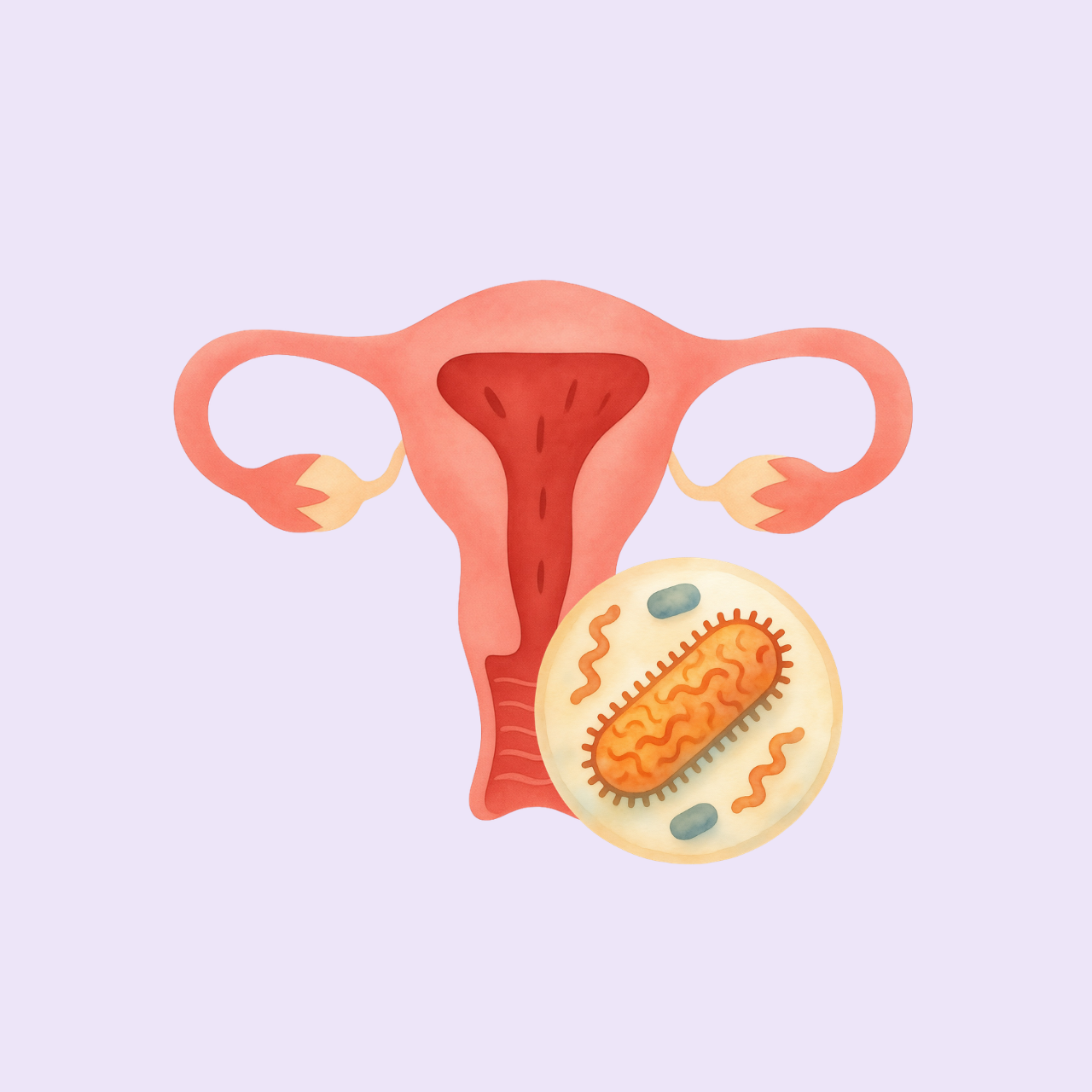
Bacterial vaginosis
Hormonal imbalance alters the vaginal ecosystem and promotes bacterial infections.
Learn more
Hair loss
40% of women notice significant hair loss during menopause.
Learn more
Headaches & Migraines
Hormonal fluctuations are one of the biggest migraine triggers in women.
Learn more
Muscle complaints
Menopausal arthralgia affects more than 50% of women. It's not arthritis — it's hormonal.
Learn more
Anxiety
Up to 58% of women in perimenopause experience anxiety — often without recognising it as a hormonal symptom.
Learn more
Heart palpitations
Menopause can cause changes in heart rhythm that significantly affect wellbeing.
Learn more
Sleep disturbances
Sleep disorders affect 60% of menopausal women, with a direct impact on energy and mood.
Learn more
Vertigo
Vertigo and dizziness affect more than 30% of women during the menopausal transition.
Learn more
Fatigue
Chronic exhaustion is one of the most debilitating menopause symptoms, present in more than half of women.
Learn more
Brain fog
Difficulty concentrating and forgetfulness affect more than 60% of women in perimenopause.
Learn more
Weight gain
70% of women gain weight during menopause. It's not lack of willpower — it's a hormonal and metabolic change.
Learn more
Loss of elasticity
Skin loses up to 30% of its collagen in the first 5 years of menopause.
Learn moreFAQ
What you ask us most
What are the most common symptoms of menopause?
The most common are hot flashes and night sweats, sleep disturbances, anxiety and mood changes, fatigue, brain fog, vaginal dryness, muscle and joint pain, and changes in skin and hair. Not every woman experiences them in the same way or with the same intensity.
Why do these symptoms appear?
Most are linked to the decline and fluctuation of oestrogen and progesterone. These hormones help regulate body temperature, sleep, mood, skin, mucous membranes, muscles and metabolism, which is why the changes are felt in so many parts of the body.
Can symptoms start before my last period?
Yes. Many symptoms already appear in perimenopause, the transition that can last several years before the final period, when cycles are still present but hormones fluctuate a lot.
When should I see a professional?
When a symptom affects your sleep, your work or your wellbeing, or if you notice irregular bleeding, persistent palpitations or pain. The information on Vive Tu Balance is for general guidance and does not replace an assessment by your doctor or gynaecologist.