Why does it happen?
Oestrogen directly stimulates fibroblasts — the cells that produce collagen, elastin and hyaluronic acid. When it drops, production plummets: skin becomes thinner, loses firmness and wrinkles appear rapidly. Changes are most visible in the face, neck and décolletage.
Most common changes
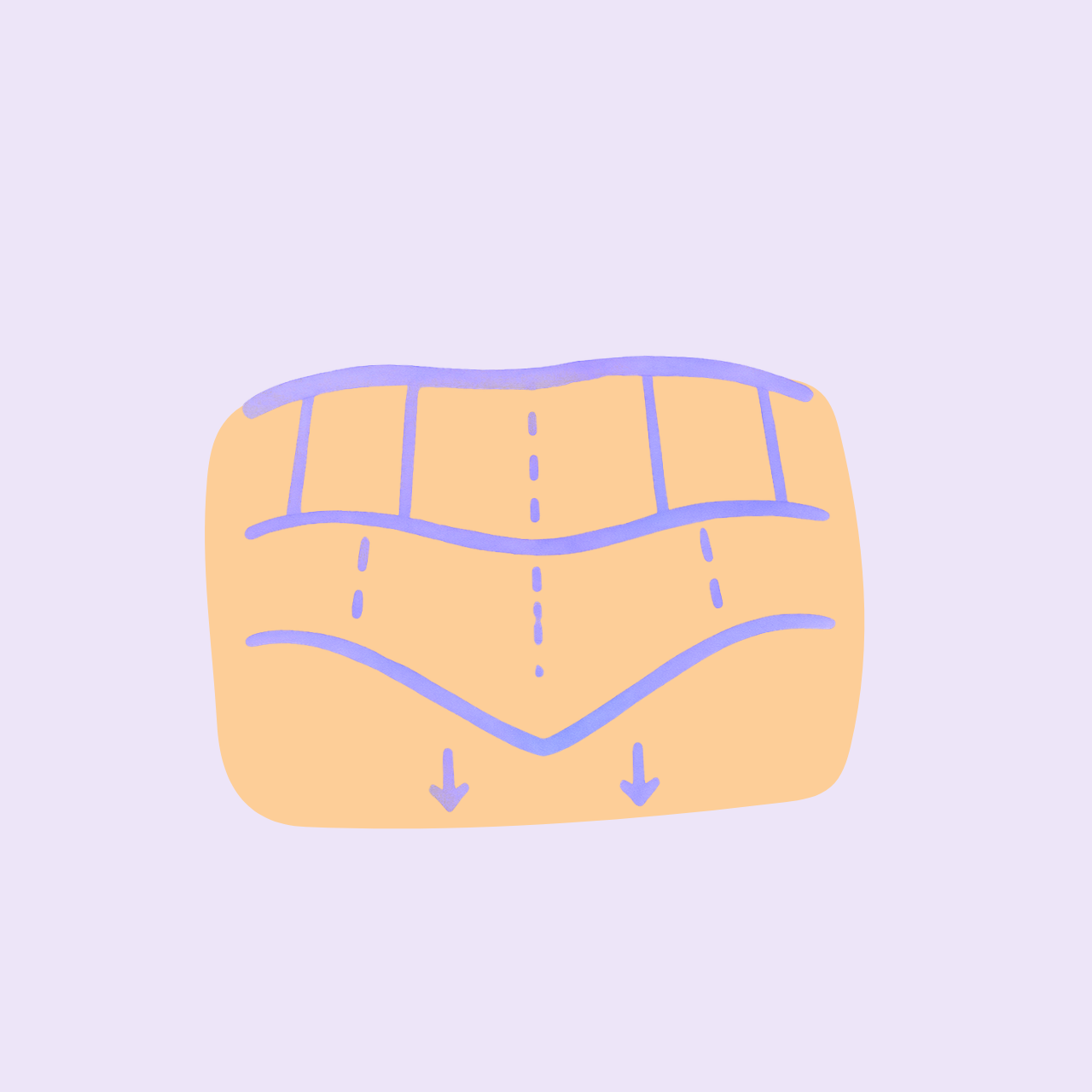
- Loss of firmness and appearance of sagging
- Thinner, more fragile skin prone to irritation
- More pronounced expression lines and appearance of new wrinkles
- Dryness and cutaneous hypersensitivity
- Slower wound healing
Clinical evidence
Hydrolysed marine collagen types I and III (10 g/day) increases skin elasticity by 19% and reduces wrinkles by 20% after 12 weeks in postmenopausal women (Journal of Dermatology, 2021).
Habits and care
- Marine hydrolysed collagen + vitamin C — the most effective duo for synthesis
- Daily sun protection (SPF 30+) — sunscreen is the best anti-ageing treatment
- Internal hydration (at least 2 litres) and hyaluronic acid creams
- Vitamin C (500–1000 mg/day) — essential cofactor for collagen synthesis
- Zinc and organic silicon for the extracellular matrix structure
The information on this page is for general information only and does not replace advice from a healthcare professional. If a symptom worries you or affects your daily life, talk to your doctor or gynaecologist.