Why does it happen?
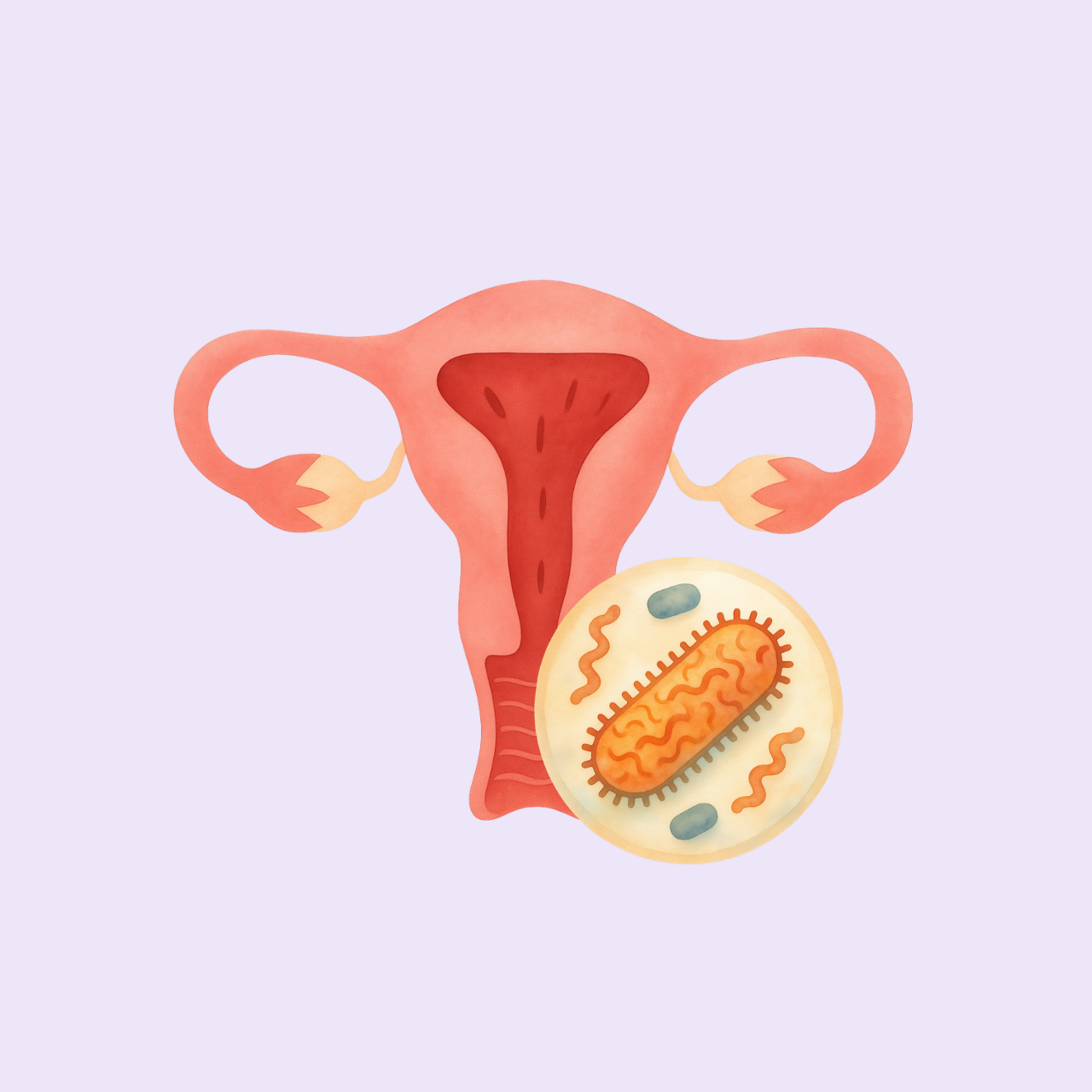
Oestrogen maintains the thickness, elasticity and lubrication of the vaginal mucosa. As levels decline, tissues thin — a process known as vulvovaginal atrophy (VVA). Unlike hot flashes, this symptom does not improve on its own: it tends to worsen without treatment.
Common symptoms
- Persistent vaginal dryness, itching and irritation
- Pain during intercourse (dyspareunia)
- Recurrent urinary and vaginal infections
- Urinary urgency or minor leakage
Early treatment is key. Hyaluronic acid vaginal moisturisers and Lactobacillus probiotics are safe and effective for continuous use without hormonal side effects.
Habits and care
- Hyaluronic acid vaginal moisturiser (2–3 times/week)
- Vaginal probiotics to restore pH and microbiota
- Cotton or breathable technical underwear
- Avoid perfumed intimate soaps and vaginal douching
menoelle® GEL — Organic vaginal moisturiser, hormone-free
menoelle's specific product for vaginal dryness: an organic, hormone-free vaginal moisturiser.
Notice: this is not medical advice, but a suggestion for an over-the-counter product. Even though it is available without a prescription, consult your doctor before using it.
The information on this page is for general information only and does not replace advice from a healthcare professional. If a symptom worries you or affects your daily life, talk to your doctor or gynaecologist.