Why does it happen?
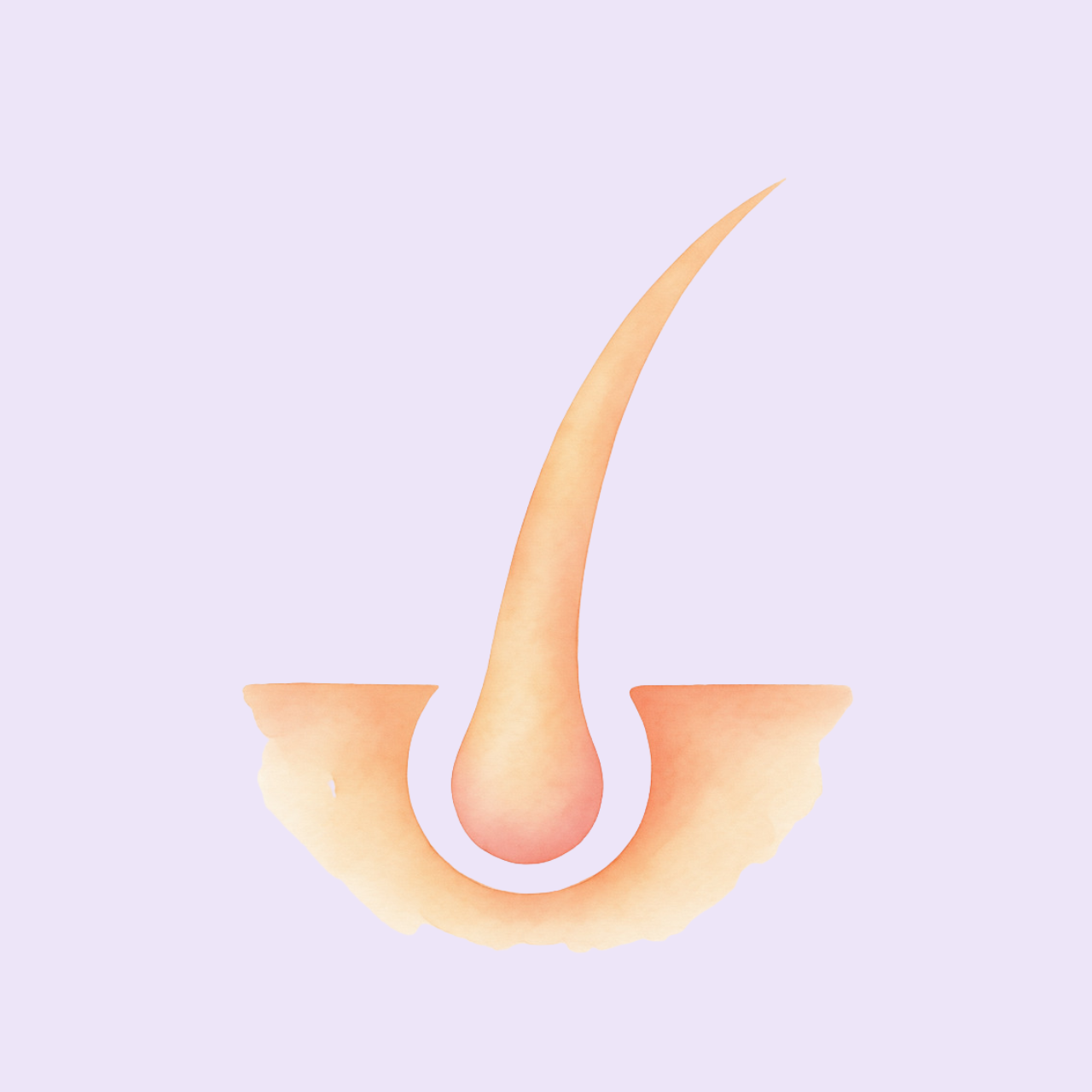
Oestrogen prolongs the hair growth phase. When it drops, more follicles enter rest simultaneously — telogen effluvium. Relatively higher androgens miniaturise the follicle, producing finer and more fragile hair.
Factors that worsen hair loss
- Iron, zinc, biotin and vitamin D deficiency
- Hypothyroidism (very common in menopause)
- Chronic stress and elevated cortisol levels
- Restrictive diets or protein deficiency
Hydrolysed marine collagen types I and III (5–10 g/day) combined with biotin, zinc and vitamin C improves hair resilience and reduces shedding by 28% after 90 days (double-blind studies).
Habits and care
- 4-minute daily scalp massage to stimulate blood flow
- Avoid excessive heat, aggressive dyes and tight hairstyles
- Protein-rich diet (at least 1.2 g/kg body weight)
- Test ferritin and vitamin D — common and treatable deficiencies
menoelle® HAIR med — Shampoo, conditioner and hair tonic
Topical hair care with caffeine, biotin and collagen, formulated for hair during menopause. Complements — does not replace — the protocol's oral collagen, as it works from the outside on the scalp and hair fibre.
Dr. Hauschka - Hair Lotion
Topical hair lotion with botanical extracts of neem, nettle, arnica and burdock for scalp care. Complementary external use — not oral and unrelated to the protocol's collagen.
Notice: this is not medical advice, but a suggestion for an over-the-counter product. Even though it is available without a prescription, consult your doctor before using it.
The information on this page is for general information only and does not replace advice from a healthcare professional. If a symptom worries you or affects your daily life, talk to your doctor or gynaecologist.