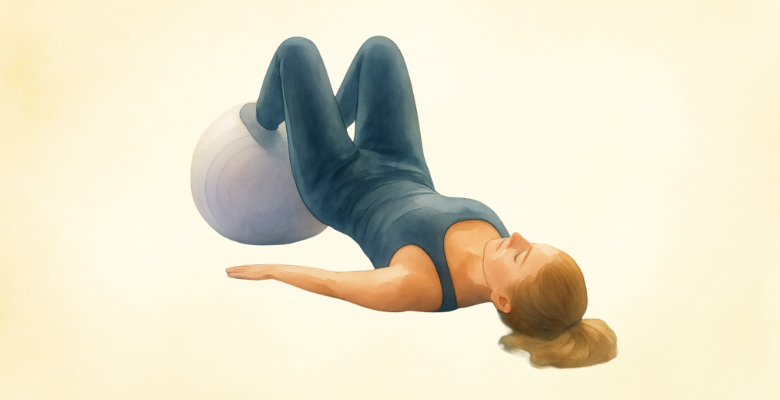
When we think about menopause, we usually talk about hormones, sleep, hot flashes or weight changes. However, there's a part of the body that also goes through significant changes during this stage and that we still talk very little about: the pelvic floor.
The pelvic floor, menopause's forgotten structure
Many women start noticing, little by little, signs they don't always connect with this stage:
- Urine leaks when coughing, laughing or exercising.
- A feeling of heaviness in the pelvis.
- Reduced muscle strength in the area.
- Discomfort during sex.
- Changes related to the bladder or urinary control.
The good news is that the pelvic floor can be trained and cared for, at any point during perimenopause or menopause.
Why is the pelvic floor so important during menopause?
The decline in estrogen can affect the tissues of the pelvis, the musculature and the supporting structures that hold up the bladder, the uterus and the rectum. That's why, during perimenopause and menopause, many women can benefit from an individualised assessment and specific exercises guided by specialised professionals.
Working on the pelvic floor isn't only about preventing future problems. It can also help:
- Improve quality of life.
- Boost body confidence.
- Improve urinary control.
- Support sexual function.
- Improve stability and posture.
- Complement strength and exercise programmes.
Our specialist: Liana Marín
At Vive Tu Balance, we collaborate with Liana Marín, a physiotherapist specialising in female pelvic floor health.
Her work focuses on helping women better understand their bodies and develop personalised strategies to strengthen, restore and care for pelvic floor health at every stage of life, especially during perimenopause and menopause.
Transparency: Liana Marín is collaborating with Vive Tu Balance on the development of this programme. We're featuring her here because we find her approach genuinely relevant to our community, not in exchange for presenting her as a neutral recommendation. You decide what's useful to you.
What will the programme include?
The Pelvic Floor Programme has been designed for women who want to learn how to care for their pelvic floor safely and based on evidence. It will include content covering:
- Anatomy and how the pelvic floor works.
- Changes associated with menopause.
- Preventing dysfunctions.
- Specific guided exercises.
- Integration with physical exercise and strength training.
- Habits that support pelvic health.
- Strategies to improve quality of life.
Because it's never too late to start
Many women believe that urine leaks, pelvic floor weakness or certain discomforts are an inevitable consequence of ageing. That's not the case.
With the right information, specific exercises and professional guidance, it's possible to significantly improve pelvic floor function and health.
Coming soon
We'll be sharing more information soon about the Pelvic Floor Programme with Liana Marín, including content, format and launch dates. Subscribe to our newsletter to be among the first to know.
Because caring for your hormonal health also means caring for the foundation that supports your wellbeing.
- European Menopause and Andropause Society – EMAS (2020). Management of urinary incontinence in postmenopausal women: An EMAS clinical guide. Maturitas.
- European Association of Urology – EAU (2026). Guidelines on Non-neurogenic Female Lower Urinary Tract Symptoms (LUTS): pelvic floor muscle training as a first-line treatment.